.svg)

Reimagining a Global IT Identity Through Narrative, Systems, and Structure
CBOSIT

Context & Immersion — Dehradun
The process started in Dehradun, at CBOSIT’s India headquarters.
Before coming in with strategy decks or moodboards, the focus was just to observation. The Naventum team spent time understanding how the company operated, how decisions were made, and what kind of culture existed behind the business.
A large part of the early thinking happened outside formal meetings. Conversations continued over lunches. During walks through the city. On long drives overlooking the hills. In moments where discussions around work slowly turned into discussions about people, ambition, pressure, and growth.
Those interactions shaped the direction of the project. They helped uncover:
- The thinking behind CBOSIT’s growth
- The internal culture driving the company
- The gaps between capability and communication
- The future the leadership team wanted to build towards
The Naventum process, which starts with brand discovery, starts with people & their context. Because before defining a brand, we needed to understand what it stands on.
The Process — Embracing the Messy Middle
The path from discovery to clarity was not linear.
There were phases where:
- Multiple directions coexisted without a clear answer
- Strong ideas were questioned and rebuilt
- Visual systems were created, discarded, and revisited
- Content narratives kept evolving with every conversation
Moodboards shifted constantly. Logo explorations expanded before narrowing. Content narratives went through repeated rewrites.
There were late-night discussions. Creative disagreements. Resets. Iteration loops.
That uncertainty was an important part of the process as good systems rarely appear in the first attempt. They emerge through testing, conversation, and revision.
Naventum’s role was not to rush towards and provide easy answers. It was to stay inside the process long enough to find a direction that could hold both the present and future version of the company.
Brand Discovery & Positioning
The structured discovery phase focused on understanding how CBOSIT operated across services, markets, and internal communication.
This included:
- Mapping service architecture
- Studying audience segments across the UK and Ireland
- Analysing competitors and positioning gaps
- Understanding leadership vision and long-term direction
One clear shift emerged through this process.
CBOSIT could no longer communicate like a conventional service-led IT company. Its work already operated at the level of systems thinking, process transformation, and long-term operational support. The brand needed to communicate that maturity.
This led to a repositioning:
From an execution-focused IT company → to a transformation partner focused on connected systems, automation, and scalable business operations.
That positioning became the foundation for every following decision across communication, website architecture, visual identity, and content strategy.
Brand Systems & Playbook
To ensure long-term consistency, Naventum developed a comprehensive brand playbook.
This included:
- Messaging frameworks aligned to services and geographies
- Tone of voice guidelines for different audience types
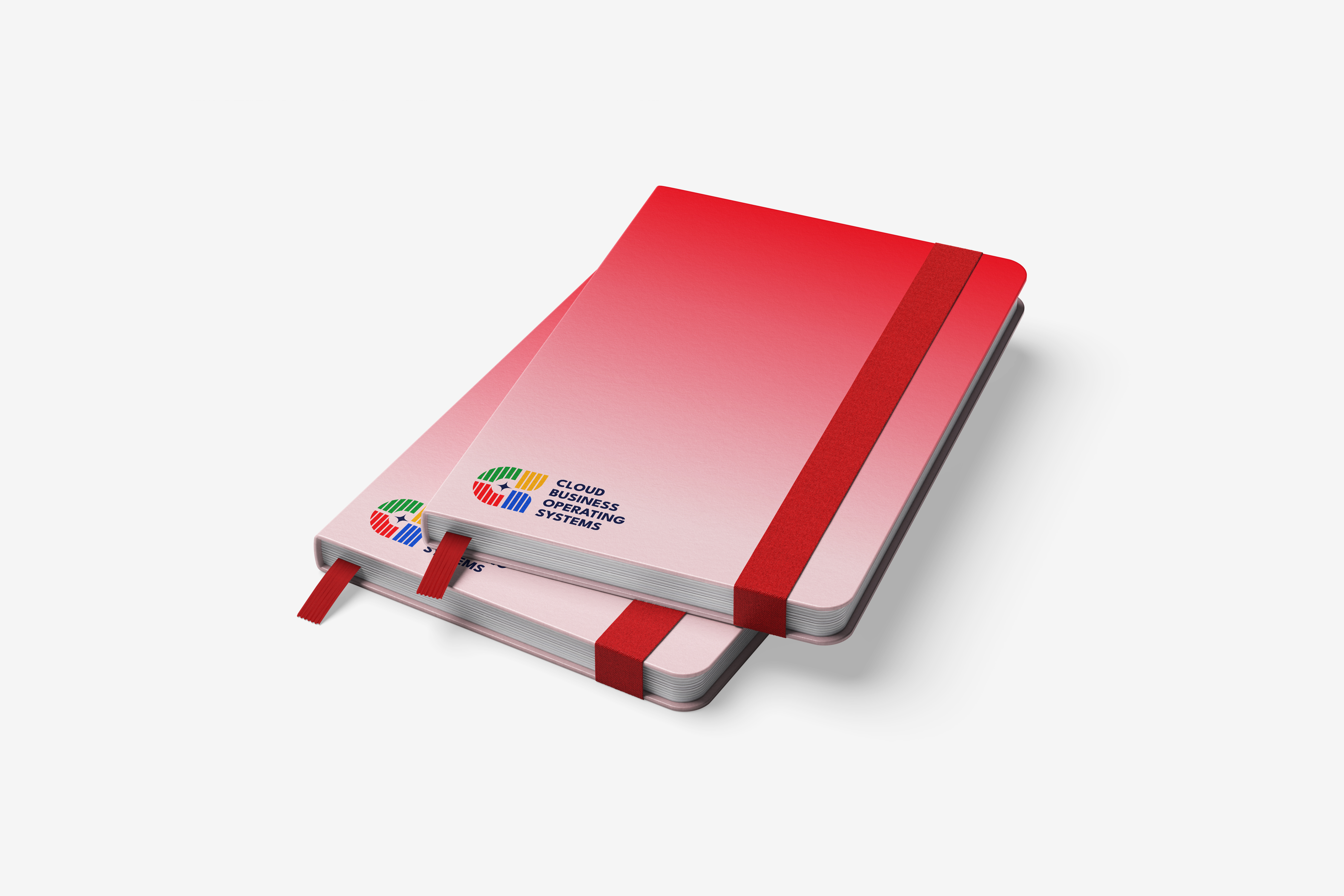
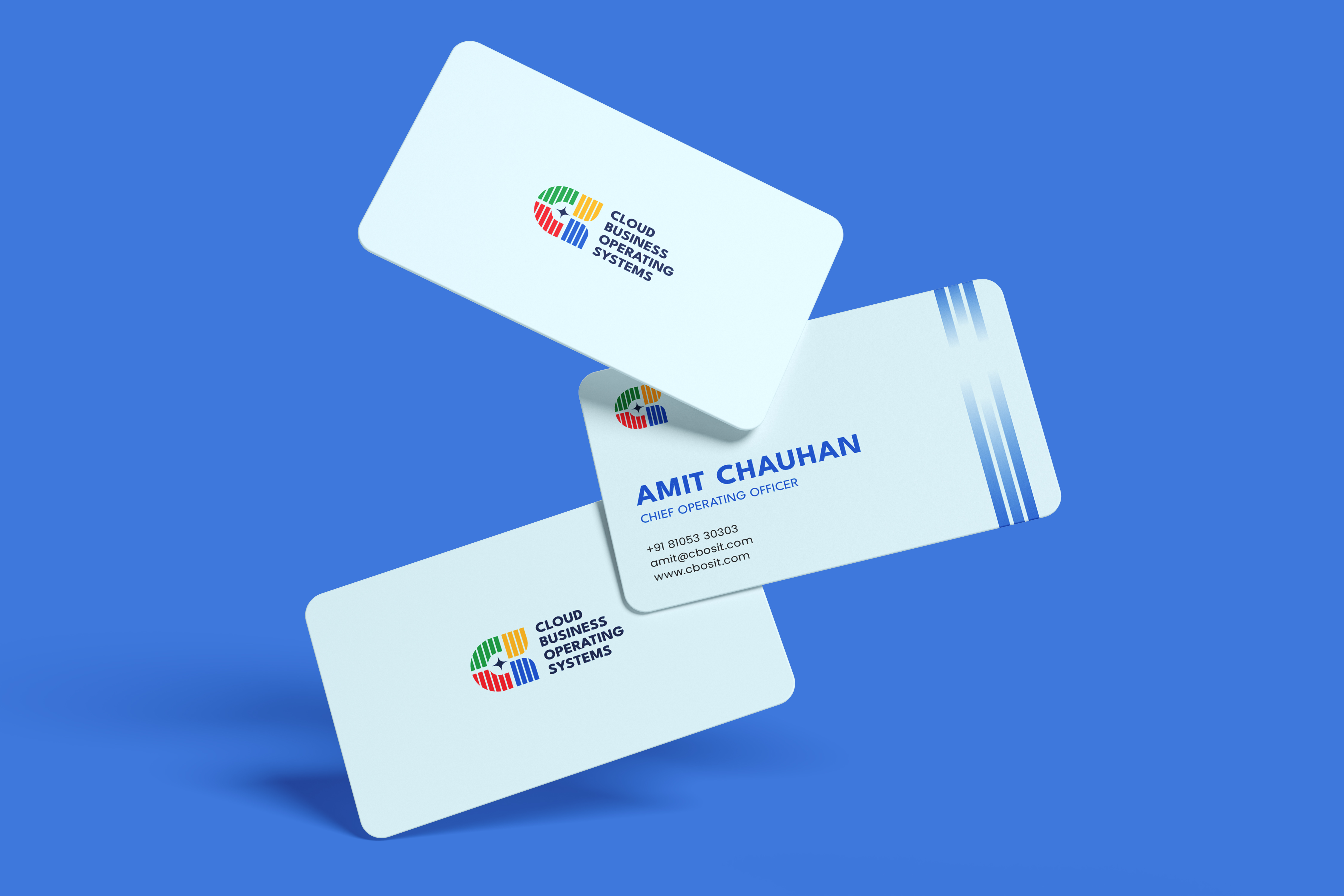
- Visual usage systems across platforms
- Templates for internal and external communication
To operationalise this, Google Suite automation systems were introduced—enabling the CBOSIT team to create:
- Proposals
- Presentations
- Documents
- Internal communication assets
All within a unified brand structure.
The objective was clear:
Move from design dependency → to system ownership.
Digital Transformation — Website Migration
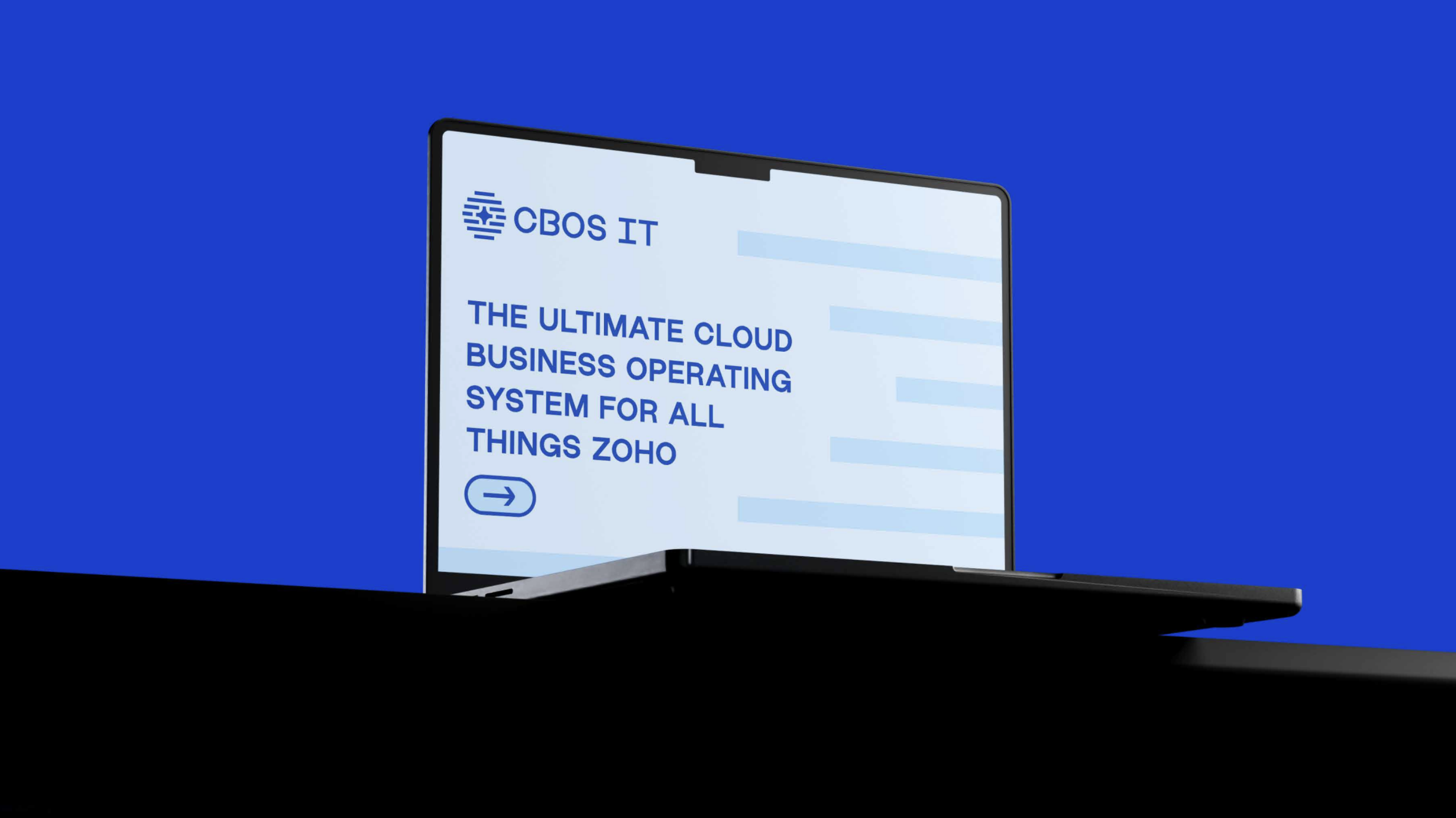
A critical layer of the project was the migration of CBOSIT’s website from Framer to Webflow.
This transition focused on long-term scalability, performance, and flexibility.
The process included:
- Creation of a modular design system in Figma
- Full front-end and back-end development architecture
- Implementation of a mobile-responsive experience
- Structuring content for SEO and conversion clarity
The result was a scalable digital system capable of growing alongside the company..
Content & Communication Strategy
With the foundation in place, the next focus was visibility and influence.
Naventum developed a LinkedIn content strategy tailored to CBOSIT’s global aspirations, especially in the UK and Ireland markets.
This included:
- Thought leadership frameworks
- Case study storytelling formats
- Culture-driven narratives
- A structured 60-day communication rollout
To support this, social media graphic systems were designed to maintain visual consistency across all digital touchpoints.
The shift was intentional:
From presence → to positioning.
SEO, AI Readiness & Future-Proofing
Search behaviour is changing. Brands are now discovered through search engines, AI tools, recommendation systems, and automated knowledge platforms.
Because of that shift, the project included both SEO planning and AI readiness frameworks.
SEO Framework
- Keyword structuring aligned to services and geographies
- Content architecture for improved search visibility
AI Hygiene Checklist
- Structuring content for AI-driven discovery platforms
- Ensuring messaging consistency across automated systems
- Preparing the brand for emerging search environments
The objective was to ensure the brand remains searchable, understandable, and adaptable as digital discovery continues to evolve.
Outcome
The project resulted in a unified brand ecosystem, where identity, systems, and communication operate in alignment.
CBOSIT today reflects:
- A clear and structured global positioning
- Consistency across visual and communication systems
- A scalable digital and operational foundation
Most importantly, the company now communicates with greater self-awareness. Both as a capable IT business, and as a brand with direction, structure, and long-term intent.